6 Glass Shower Enclosures: Costs, Pros & Best Uses
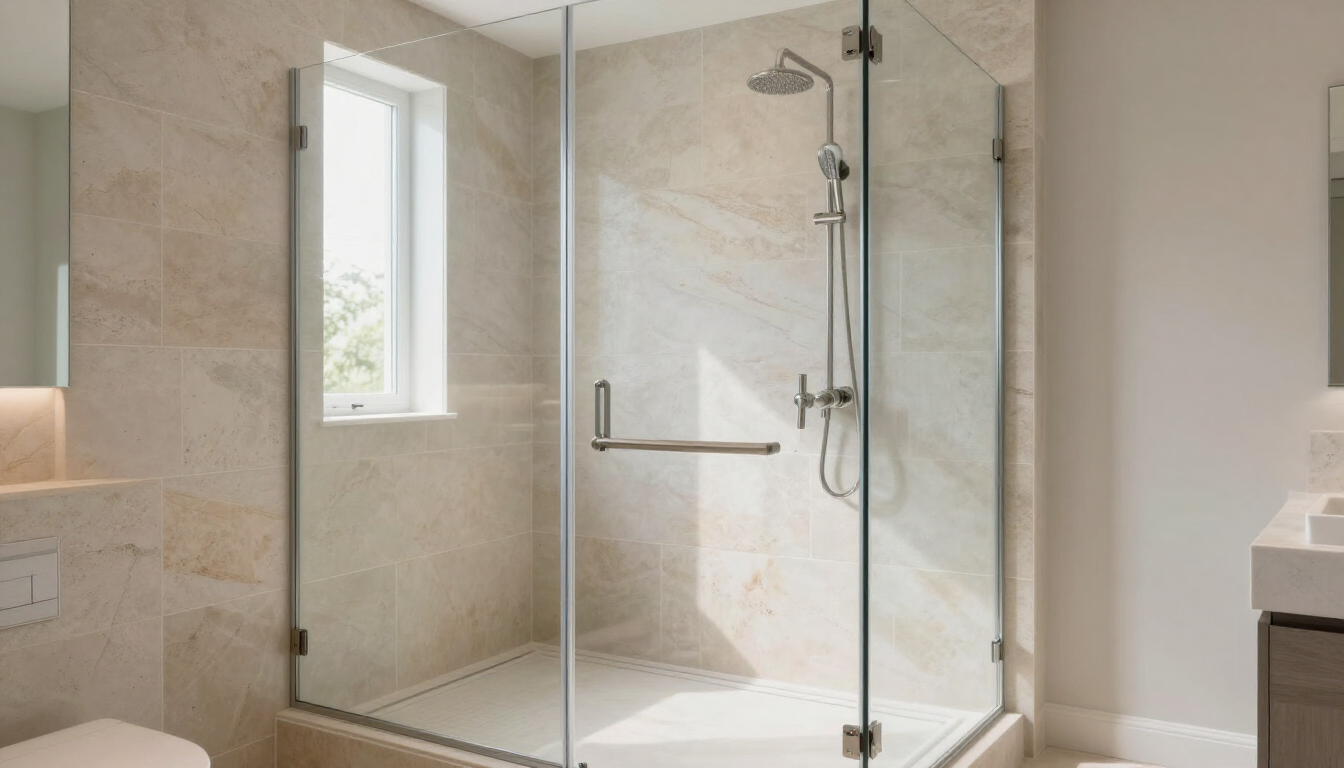
A glass shower enclosure is the set of fixed panels and the door that keep water in your shower while letting light into the rest of the bathroom. The right one depends on your layout, your budget, how much cleaning you are willing to do, and the look you want. At Shower Glass Certified, we install six main styles across Greater Boston, the South Shore, and Cape Cod: frameless, semi-frameless, framed, sliding, hinged, and fixed panel. Here is how they compare, what they cost, and where each one makes sense.
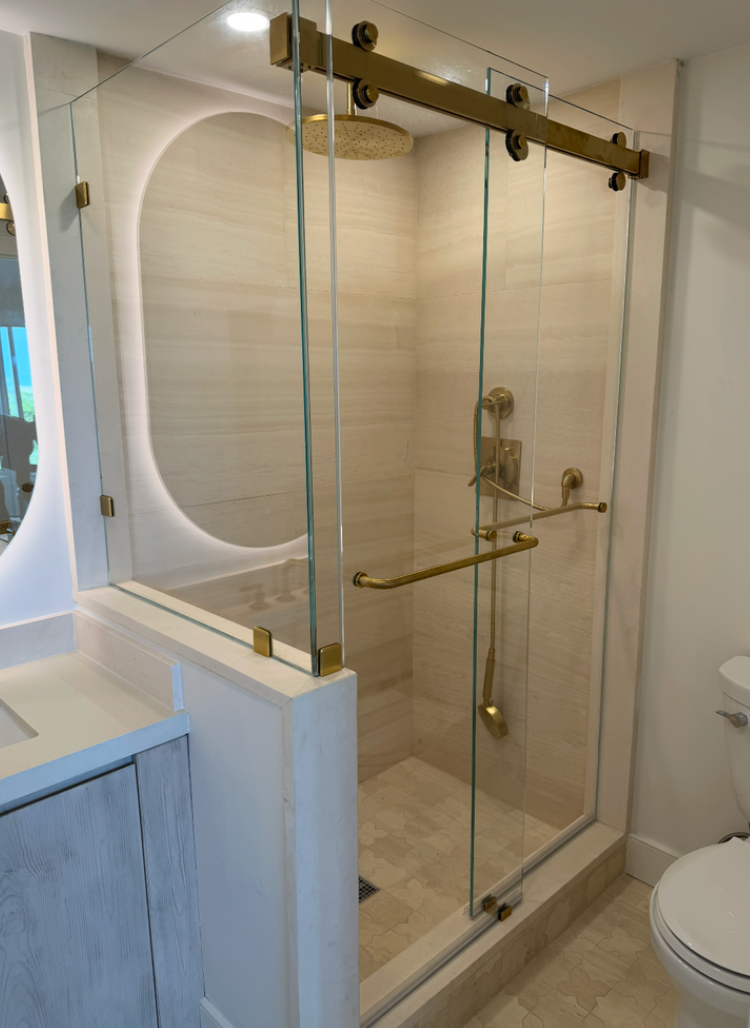
Which glass shower enclosure is best for your bathroom?
Short answer: frameless gives you the cleanest, most high-end look and makes the room feel bigger. Sliding doors solve tight bathrooms where a swinging door would hit the vanity or toilet. Hinged doors are great when you have the clearance. Framed units are the budget pick and hold water well. Fixed panels are made for open, walk-in showers.
Before you pick a style, check these five things:
- How much room the door has to swing
- Shower size and entry width
- Tile condition, wall framing, and waterproofing
- How much privacy you want and how much cleaning you will do
- Budget and hardware finish (chrome, brushed nickel, matte black, or brass)
How much do glass shower enclosures cost in Massachusetts?
Price depends on glass thickness, hardware, the condition of your walls and tile, custom angles, demo, and labor. The ranges below are what homeowners in Greater Boston, the South Shore, Cape Cod, and the North Shore typically pay for an installed residential enclosure. We confirm exact pricing after an on-site measure.
- Fixed panel: $900 to $2,000. Best for open walk-in showers.
- Framed: $1,000 to $2,200. Best for value-focused remodels and rentals.
- Sliding: $1,500 to $3,500. Best for small bathrooms and tub-to-shower conversions.
- Semi-frameless: $1,500 to $3,200. A balance of style and price.
- Hinged frameless: $1,800 to $4,000. Best for custom and larger showers.
- Complex frameless (steam, neo-angle, multi-panel): $2,500 to $6,000+. Premium layouts and custom glass.
Expect the number to climb if we need to tear out an old enclosure, work around out-of-plumb walls, add blocking behind the tile, repair cracked tile, or build several panels. For reference, most of our frameless shower door installations in Greater Boston land between $1,200 and $3,500. Call us and we can usually give you a ballpark in a few minutes over the phone.
What are the pros and cons of each enclosure type?
Frameless shower enclosures
Frameless enclosures use 3/8-inch or 1/2-inch tempered glass held in place by heavy-duty hinges and clips instead of a metal frame. Nothing interrupts your tile, and the whole bathroom feels bigger. This is what most of our customers choose, and it is our specialty.
Pros:
- Sleek, custom appearance
- Easier access to corners and grout lines
- Excellent for showcasing tile and stone
- Flexible for unusual dimensions
Cons:
- Higher material and installation cost
- Requires precise measurements and installation
- Slightly less forgiving of uneven walls
- May need more careful water-management planning
Frameless works best in primary bathrooms, showers with tiled niches or benches, and full remodels where the glass is the showpiece.
Semi-frameless shower enclosures
Semi-frameless systems combine substantial glass with a frame or channel along selected edges, often around the door or fixed panels. They offer a refined look without the full cost of a completely frameless system.
Pros:
- Lower cost than many frameless designs
- Strong balance of style and stability
- Good choice for standard and moderately custom layouts
Cons:
- More visible metal than frameless glass
- Channels can collect mineral deposits
- Fewer ultra-minimal design options
Framed shower enclosures
Framed enclosures surround the glass with metal framing. They remain a practical option for rental properties, secondary bathrooms, and budget-conscious renovations.
Pros:
- Usually the most economical full-door option
- Strong perimeter support
- Effective water containment
- Suitable for many standard openings
Cons:
- More metal interrupts the bathroom design
- Tracks and frame seams require regular cleaning
- Can look dated if finishes or profiles do not match
Sliding shower doors
Sliding doors, sometimes called bypass doors, move along a track rather than swinging outward. They are useful where a vanity, toilet, or wall limits door clearance.
Pros:
- Conserves floor space
- Works well in tub-to-shower conversions and alcoves
- Convenient for narrow bathroom layouts
Cons:
- Tracks need frequent cleaning
- Rollers and seals are moving components
- Entry width may be smaller than with a hinged door
Hinged shower doors
Hinged doors swing out, in, or both ways depending on the hinge and your layout. If you have the clearance, you get a wide, easy entry.
Pros:
- Wide opening potential
- Easy-to-clean threshold area
- Strong fit for custom frameless installations
Cons:
- Needs door-swing clearance
- Water can drip outside without proper design
- Requires accurate hinge placement and wall support
Fixed glass panels
A fixed panel is a single stationary piece of glass, sometimes paired with a short return panel, that leaves one side of the shower open. It is the cleanest walk-in look you can get.
Pros:
- Minimal hardware and moving parts
- Simple, contemporary appearance
- Easy to wipe down
- Excellent for accessible bathroom concepts
Cons:
- More open to drafts and splash-out
- Requires adequate shower depth and spray control
- Not ideal for every small or cold bathroom
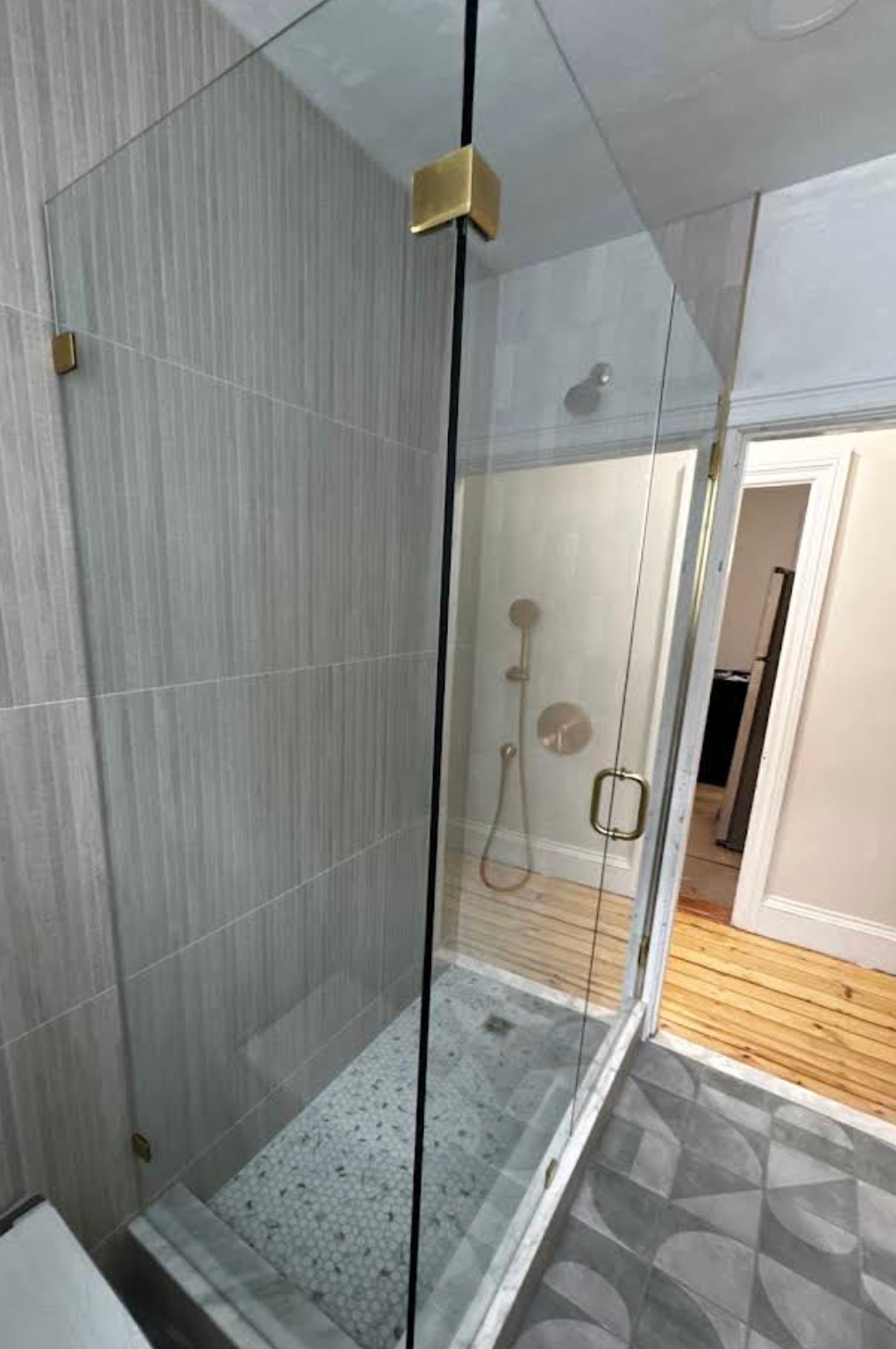
3/8-inch or 1/2-inch tempered glass: which should you choose?
Both thicknesses work well for custom shower doors when the glass is properly tempered and installed. Thickness changes the weight, the feel, the hardware you need, and the price. It does not make up for poor waterproofing or a sloppy install.
- 3/8-inch: Strong, lighter, and more economical. Our go-to for most frameless doors and panels.
- 1/2-inch: Heavier, with a more substantial feel. Best for oversized panels and statement showers.
For most homes, 3/8-inch glass is the right call. Half-inch makes sense for very large panels or when you want that extra-heavy feel, but it needs heavier hinges and solid wall support. We spec the right thickness after we measure your opening.
Which glass finish should you select?
Clear glass provides the most open look and maximizes visible tile. Low-iron glass reduces the subtle green tint found in standard clear glass, making white tile and pale stone appear more accurate. Frosted glass increases privacy, while textured or patterned glass adds visual interest and disguises water marks.
Here is the quick version:
- Clear: Best for openness, tile visibility, and classic design
- Low-iron: Best for premium clarity and true color
- Frosted: Best for privacy in shared or guest bathrooms
- Textured: Best for decorative style and reduced visibility
A protective coating helps water bead off, but no coating means you never have to clean. On Cape Cod and along the South Shore, salt air and well water can spot glass fast, so a coating plus a daily squeegee goes a long way. Check our Greater Boston, South Shore, and Cape Cod service areas to see if we cover your town.
How do you match an enclosure to your bathroom layout?
Small alcove: Choose a sliding door or compact hinged door. Avoid a door swing that conflicts with the vanity or toilet.
Large primary bathroom: A frameless hinged enclosure or fixed-panel walk-in shower can emphasize spacious tile and custom details.
Narrow bathroom: Sliding glass often preserves the most usable floor area. A carefully positioned fixed panel may also work if splash control is adequate.
Corner shower: A two-panel frameless or semi-frameless design, or a neo-angle enclosure, gives you a comfortable diagonal entry. Finish the room with a matching custom bathroom mirror cut to fit your vanity.
Accessible bathroom: A wide hinged door or fixed-panel configuration can support easier entry, but clearances, threshold height, and local requirements should be reviewed with the project team.
When we measure, we also look at where the showerhead points, curb width, drain location, and floor slope. The width of the opening is only part of the story.
Maintenance and cleaning checklist
Glass shower doors last longer and look better when water and soap residue are removed regularly. Use a soft squeegee after showers, clean with a manufacturer-approved product, and avoid abrasive pads that can damage finishes or hardware.
- Squeegee the glass after each use
- Wipe hinges, channels, and seals periodically
- Use mild cleaner rather than harsh abrasives
- Inspect seals and fasteners for wear
- Address leaks, loose hardware, or chipped glass promptly
This is where installation matters. Premium glass will still leak or sag when walls are out of plumb, hinges are set wrong, or seals are in the wrong spot. Our installers use CRL hardware and glass from Mathew Glass on every job, and every install is backed by a one-year warranty.
Frequently asked questions
Are frameless shower doors worth the cost?
For most homeowners, yes. Frameless costs more than a framed system, but you get less visible metal, easier cleaning around the edges, and a custom look that holds up for years. See our frameless shower enclosure page for styles and hardware finishes.
Is 1/2-inch glass better than 3/8-inch glass?
Not automatically. Three-eighths-inch glass is suitable for many residential applications, while half-inch glass provides a heavier premium feel for selected large or custom panels. The correct choice depends on the opening, hardware, and engineering requirements.
Is clear or frosted glass easier to maintain?
Clear glass is often easiest to inspect and wipe clean. Frosted and textured surfaces can disguise spots, but their patterns may require more detailed cleaning. A protective treatment and regular squeegeeing help with either option.
How long does shower glass installation take?
The install itself usually takes a few hours once the glass is made. Most of the wait is fabrication. Our typical lead time is 7 to 14 days from measure to install, and some jobs are done in as few as 6 days. Tile repairs, demo, unusual angles, and extra panels can add time.
Do glass shower enclosures leak?
A properly designed and installed enclosure should control water effectively, but glass itself is not a waterproof wall. Shower slope, curb design, seals, panel placement, and spray direction all influence performance.
Ready to pick your shower glass?
If you want the most open, high-end look, go frameless with low-iron glass. If space is tight or budget leads the decision, sliding and framed systems get the job done. Hinged doors and fixed panels fit custom walk-ins. Whatever you choose, it starts with an accurate measure and a look at your tile, curb, and water path.
Shower Glass Certified serves Greater Boston, the South Shore, Cape Cod, the North Shore, and Rhode Island. Our crews also install frameless glass railings and glass walls and partitions for homes and businesses. Request your shower glass quote or give us a call, and we can usually price your project in minutes.
Recent Posts